
 English
 Español
 Portugues
 Pусский
 Français
 العربية
 Indonesia
 Tiếng Việt
 Filipino


rawatan air sisa penyaduran elektrik
Electroplating wastewater treatment is a critical process for protecting the environment and ensuring compliance with discharge standards. Wastewater generated from electroplating operations typically contains heavy metals such as chromium, nickel, copper, zinc, and cadmium, as well as cyanides, acids, alkalis, surfactants, and suspended solids. Because many of these pollutants are toxic, carcinogenic, or non‑biodegradable, they must be removed or reduced to acceptable levels before discharge or reuse.A typical treatment system starts with segregation of wastewater streams. For example, cyanide‑containing wastewater, chromium‑containing wastewater, and general acid‑alkali rinse water are collected and treated separately. This separation improves treatment efficiency and reduces the amount of chemicals required.For cyanide‑bearing wastewater, alkaline chlorination is commonly used. Under controlled pH conditions (usually strongly alkaline), an oxidizing agent such as sodium hypochlorite is added to convert free and complex cyanides into less toxic compounds, ultimately forming carbon dioxide and nitrogen. Careful control of pH, oxidation‑reduction potential, and reaction time is necessary to ensure complete destruction of cyanide without generating harmful intermediate products.Chromium‑containing wastewater, especially from hexavalent chromium processes, undergoes reduction and precipitation. Hexavalent chromium (Cr⁶⁺), which is highly toxic and mobile, is reduced to trivalent chromium (Cr³⁺) using reducing agents such as ferrous sulfate or sodium metabisulfite at an acidic pH. The resulting Cr³⁺ is then precipitated as chromium hydroxide by raising the pH with alkali. The metal hydroxide sludge is separated by sedimentation or filtration.For other heavy metals like nickel, copper, and zinc, chemical precipitation is widely applied. After pH adjustment to the optimal range for each metal, hydroxides or sulfides are formed and then removed as sludge. Coagulants and flocculants are often added to enhance aggregation of fine particles into larger flocs, improving settling and clarification.In addition to chemical methods, physical and physicochemical processes play important roles. Equalization tanks are used to homogenize flow and concentration, preventing shock loads on downstream units. Sedimentation tanks, clarifiers, and pressure filters remove suspended solids and precipitated metal hydroxides. Ion exchange and membrane technologies such as reverse osmosis, nanofiltration, and ultrafiltration can be applied for advanced treatment, enabling water recycling and recovery of valuable metals.Biological treatment is sometimes used after chemical pretreatment to remove residual organic matter, surfactants, and complexing agents. However, because heavy metals can inhibit microbial activity, metals must be reduced to low concentrations before biological processes.Sludge management is another key aspect. The metal‑bearing sludge produced in precipitation and coagulation steps must be thickened, dewatered, and either stabilized for safe disposal or sent for metal recovery. Proper handling prevents secondary pollution.Modern electroplating wastewater treatment systems increasingly focus on resource recovery and water reuse. By combining segregation, targeted chemical treatment, advanced separation processes, and good operational control, it is possible to significantly reduce freshwater consumption, minimize pollutant discharge, and meet stringent environmental regulations.
Produk
Kategori:
-
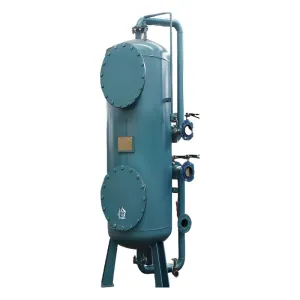
Penapis Media, Sistem Penapisan Media, Penapis Pasir
Klasifikasi mereka: Peralatan Rawatan Air SisaPandangan: 557Nombor:Masa pelepasan: 2025-11-13 21:22:50Penapis media yang dihasilkan oleh BETTER EPT boleh mengeluarkan bahan terampai, pasir, besi, mangan dan zarah pelekat yang tidak boleh dikeluarkan oleh kerpasan dalam kumbahan. Kekeruhan kumbahan yang dirawat adalah kurang daripada 5 mg/L, memenuhi piawaian kualiti air minuman. Penapis media ini boleh digunakan secara meluas dalam rawatan air sisa kuasa elektronik, rawatan air sisa petrokimia, rawatan air sisa penyaduran, rawatan air sisa pencelupan tekstil dan sebagainya.
Berita
Kategori:
Tiada hasil carian!
Kes
Kategori:
Tiada hasil carian!
Video
Kategori:
Tiada hasil carian!
Muat turun
Kategori:
Tiada hasil carian!
Pengambilan
Kategori:
Tiada hasil carian!
Produk yang disyorkan
Tiada hasil carian!

 .



 Whatsapp
 telefon